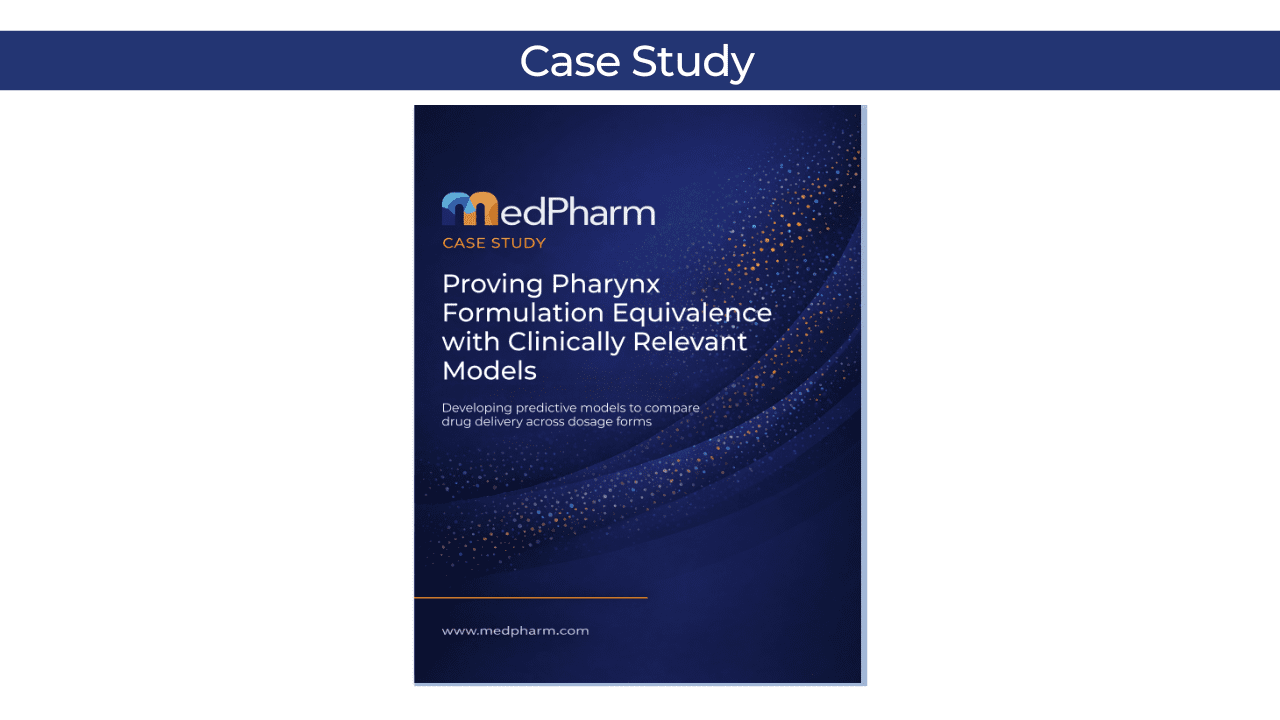
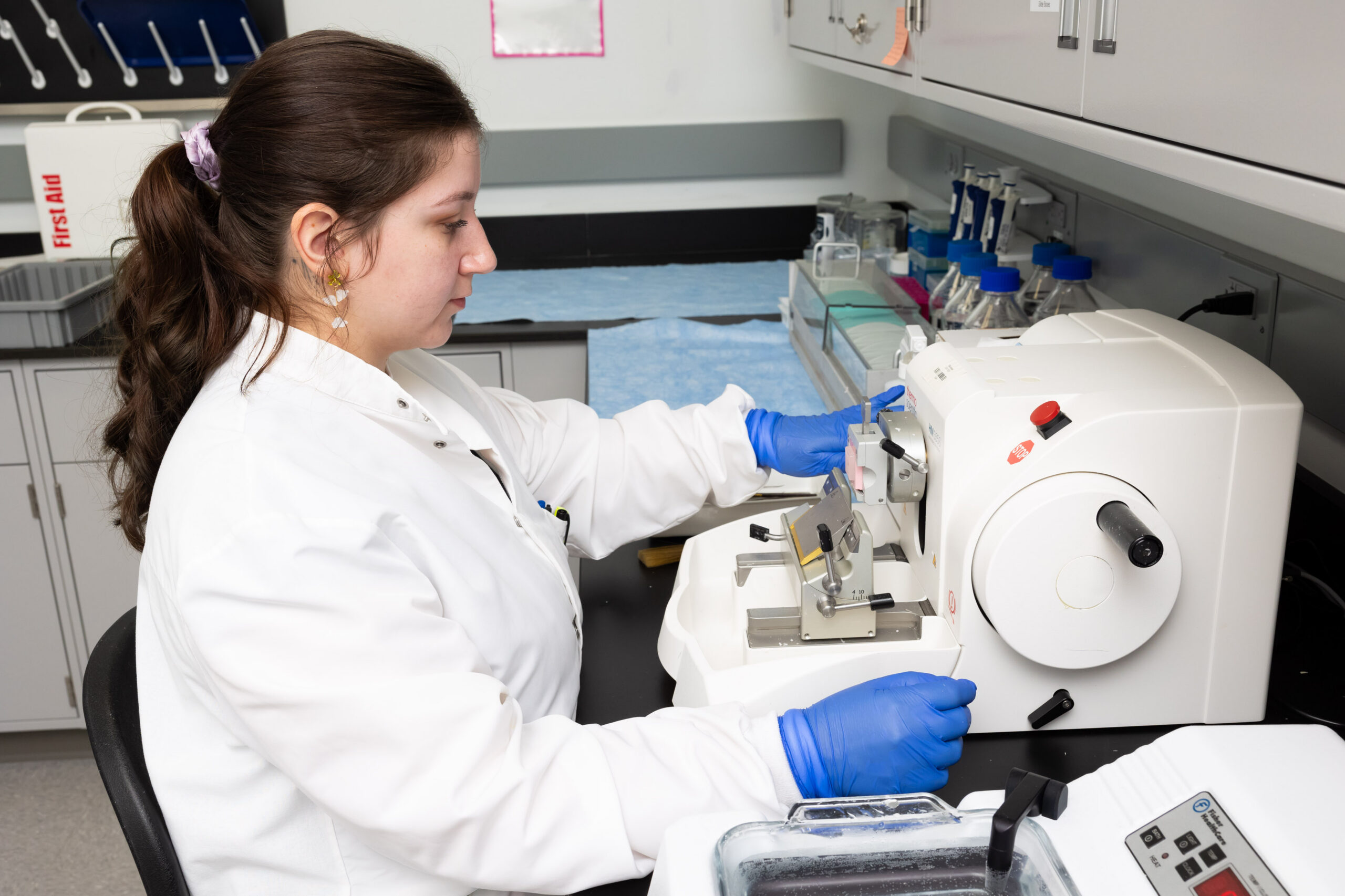
Available model systems may include:

Developed over the past decade by MedPharm’s biologists and engineers, these models are designed to identify clinical risk early, enabling potential challenges to be addressed before they become costly failures in clinical trials.

MedPharm continuously evolves its biological models through internal innovation and close collaboration with clients, ensuring systems remain scientifically relevant as development needs and regulatory expectations advance.

Mucosal performance testing

Learn more

Pigmentation models

Learn more

Nasal cast delivery models

Learn more

Barrier function models

Learn more

Inflammatory disease models

Learn more

Irritation models

Learn more

Wound healing models

Learn more

Mucosal Performance Testing

MedPharm’s mucosal performance testing models use primary reconstructed tissues grown at an air–liquid interface.

Rather than relying on:

Immortalized cell lines that poorly represent native tissue

Excised frozen animal tissue that lacks living responses and has disrupted barrier function

MedPharm uses epithelial cells isolated from healthy adult biopsies, expanded on Transwell inserts, and induced to differentiate into constructs that behave similarly to mucosal tissue in vivo.

MedPharm routinely evaluates nasal, bronchial, corneal, oral, rectal, and vaginal mucosal tissues.

View NDD 2025 poster →

These tissue models are used to evaluate whether formulations:

  • Adhere to the mucus layer and slow clearance
  • Permeate through the epithelial barrier to the site of action or systemic circulation
  • Are retained in the epithelial cell layer

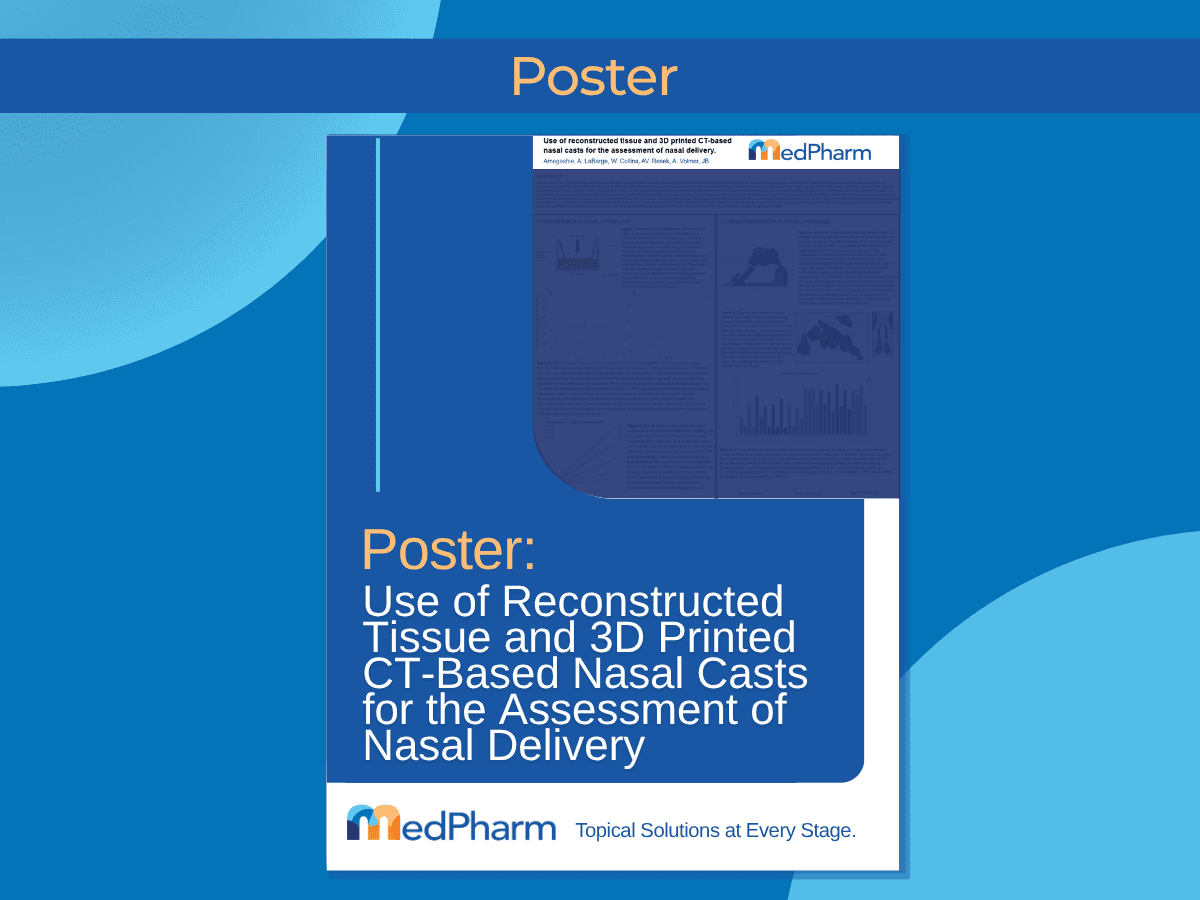
MedCast: Advanced Nasal Delivery Modeling

Changes to any of these can dramatically affect where and how a formulation deposits in the nose. Traditional nasal cast models are typically one-size-fits-all and fail to capture key variables.

View NDD 2025 poster →

Drug delivery to the nasal cavity depends on the nasal delivery triad:

  • The formulation
  • The device
  • The API

MedPharm developed MedCast, a custom 3D-printed nasal cast system that addresses two critical limitations:

  • “One size fits all” single-material casts may retain API during extraction or fail to adequately adsorb it
  • Regions of interest are not always consistent from study to study

MedCast allows:

  • Use of specific materials, tested for optimal performance with your API
  • Case-by-case segmentation of nasal regions based on the needs of your indication

Inflammatory Disease Models

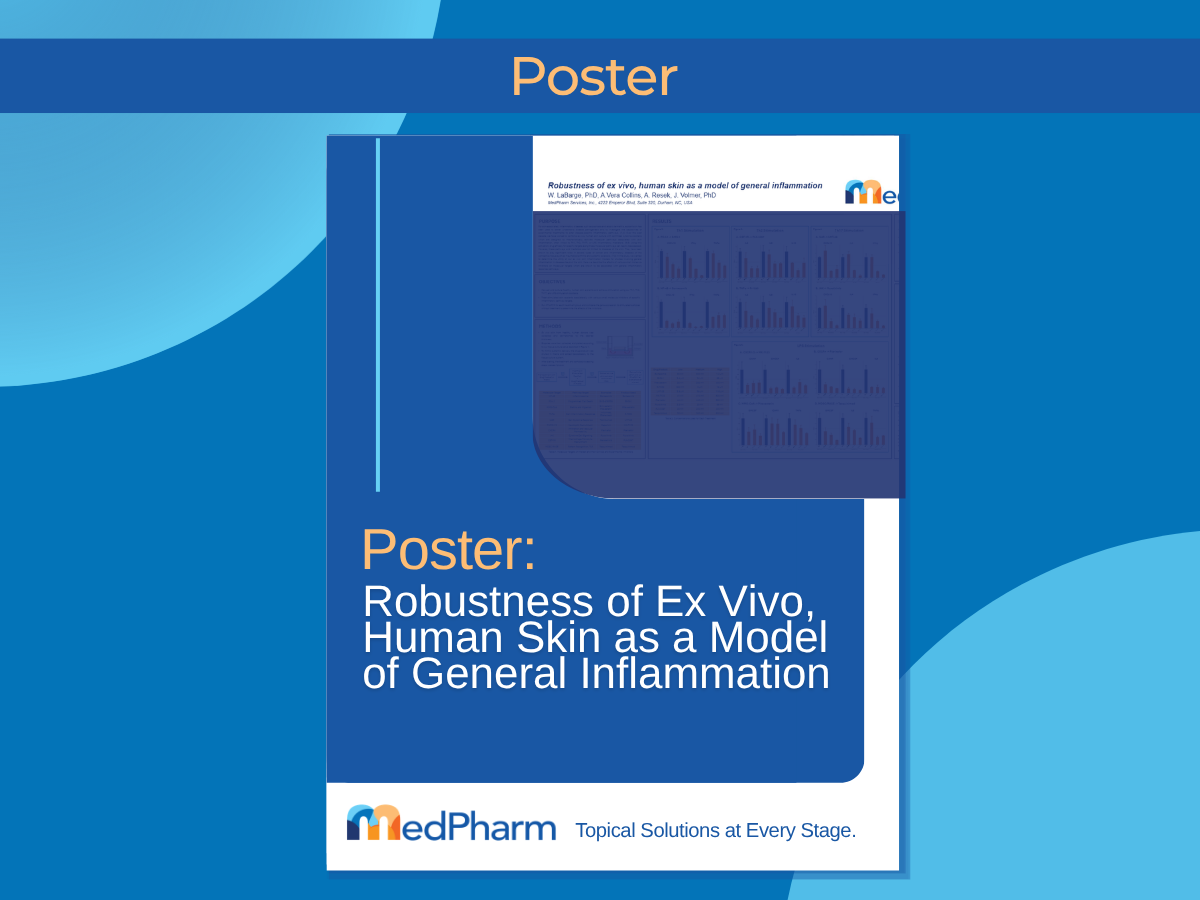
Using explant skin from healthy donors, MedPharm has identified dozens of clinically relevant inflammatory pathway targets and developed methods to activate those pathways.

View SID 2025 poster →

Skin contains a functional immune system beneath the stratum corneum, including:

  • Regulatory and effector T cells
  • Biological matrix that can affect bioavailability
  • Reactive epithelium

These immune-competent tissue models are used to:

  • Screen libraries of compounds for mechanistic efficacy
  • Evaluate topical formulation performance
  • Link pharmacokinetics and pharmacodynamics in a single model

Long Term Skin Culture and Wound Healing

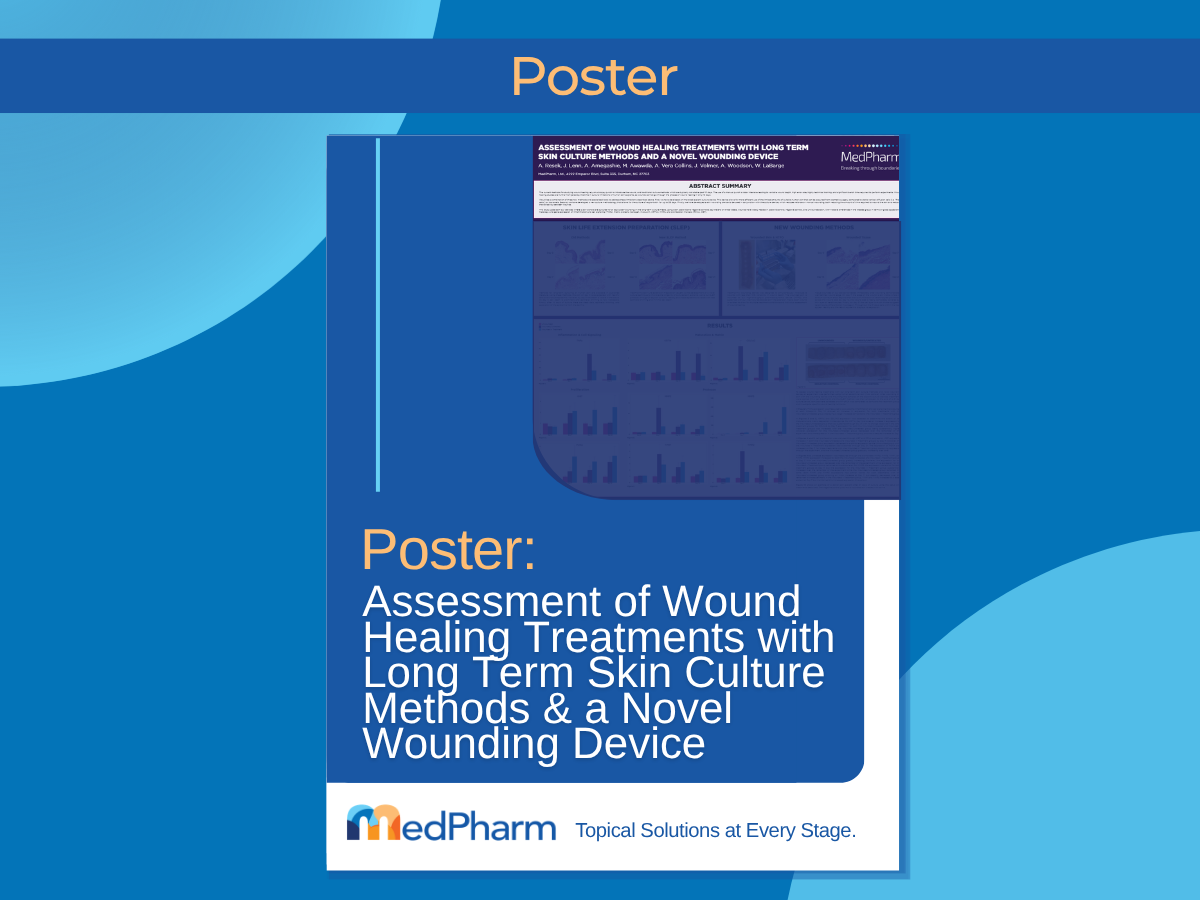
View SID 2024 poster →

Historically, human skin explants survive only 7 to 10 days in culture. MedPharm has extended this to 28 days through:

  • Specialized collection and handling
  • Custom tissue culture devices
  • Optimized media and culture conditions

This enables laboratory evaluation of:

  • Repeat dosing effects
  • Degrader compounds
  • Barrier function changes
  • Pigmentation changes
  • Wound healing

Pigmentation Models

These methods allow evaluation of both short-term and long-term pigmentation changes.
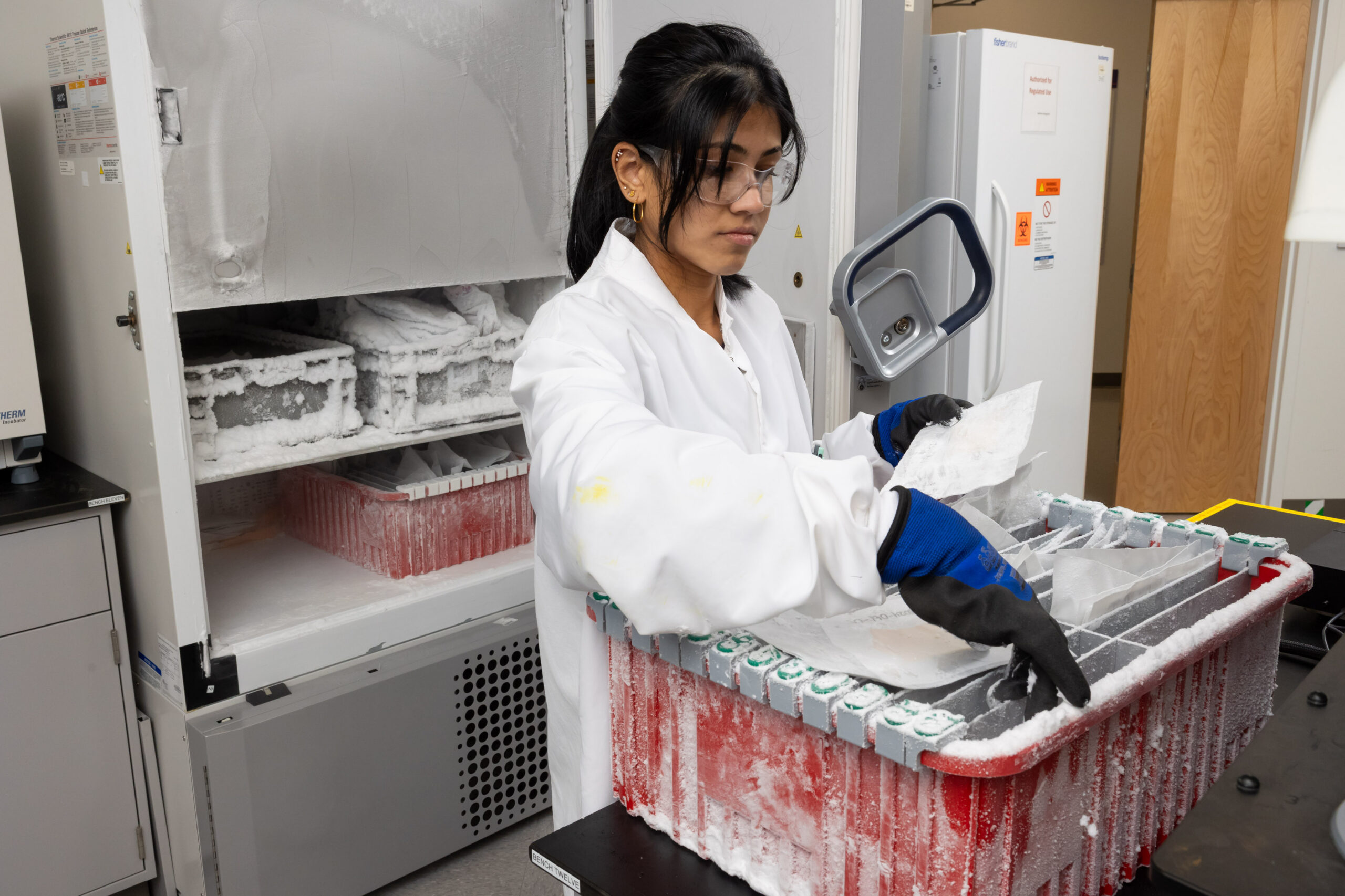
Scientist handling human skin samples in research biology and tissue culture laboratory for biological model development

MedPharm’s explant skin culture systems assess pigmentation effects using:

  • Melanin quantification
  • CIELAB photometrics
  • Fontana-Masson staining

Barrier Function

MedPharm developed a multi-TEWL meter to assess skin barrier integrity using transepidermal water loss. It integrates with MedPharm’s explant skin culture systems.

This technology is used to:

  • Confirm barrier integrity prior to testing
  • Monitor recovery or maintenance of barrier function following injury, treatment, or procedures

Irritation Testing

Although not yet used as full replacement assays, these in vitro irritation models are valuable tools for de-risking formulations prior to formal development studies.

Regulatory agencies including the FDA and EMA have encouraged replacement of animal irritation testing with in vitro methods, including:

  • OECD 439 for skin
  • OECD 492 for mucosal tissues
Ask A Scientist
Ask A Scientist

Science moves fast. So do we. Ask our experts now.

sciencechat@medpharm.com
Get A Quote
Get A Quote

Big ideas deserve fast action. Let’s kick off your quote today.

busdev@medpharm.com